Discover the concept of moai, an Okinawan tradition that shows how friendship and community can support a long and healthy life.
The island of Okinawa in Japan is one of the five Blue Zone regions in the world. Researchers, including Dan Buettner, studying longevity, have long been fascinated by the remarkable number of centenarians living there.
Along with practices like ikigai, mono no aware, and wabi-sabi, Okinawans nurture a tradition known as moai. Okinawans create lifelong social groups that provide emotional and financial support to each other throughout life
The good news is that you don’t have to live in Okinawa to practice this it.
Here are seven practical ways to bring the moai principle into your life.

What is Moai?
Moai means “meet for a common purpose” where a lifelong group of friends supports one another emotionally, socially, and sometimes financially.
Traditionally, children would make a moai early in life with classmates or neighbors and remain part of that group for decades.
In order to provide varying support from social, financial, health, or spiritual interests, elders in Okinawa often meet regularly. They form a powerful social support network that make much easier to go through life. They gather to talk, laugh, share food, and enjoy each other’s company.
Over time, the members of a moai become like a second family and may be one of the most overlooked keys to long and happier lives.
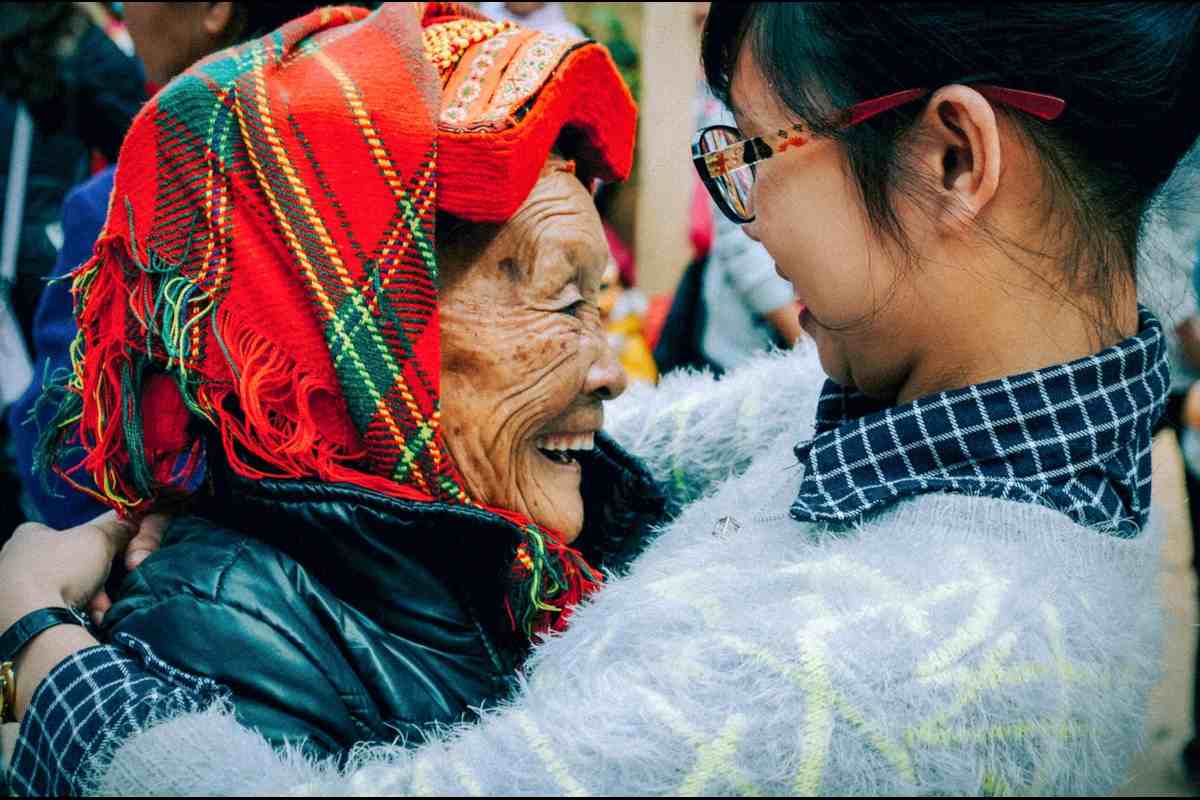
Types of Moai in Okinawa to fight loneliness
There are several types of moai, depending on how the group is organized.
Financial moai – safety net
Historically, an Okinawan moai often had a practical purpose. Members would pool money together each month, creating a rotating fund. If a member needed money, for example to buy tools, start a business, or support their family, they could receive the shared funds.
This system provided both financial support and mutual support within the community.
Social moai – make it easier to go through life
Today, many moais focus more on companionship than finances. Members of the moai share meals, discuss life, or spend time together.
Over time, these gatherings strengthen friendships, help prevent loneliness, and provide a lifelong support network.
Some moai may even form around shared interests such as hobbies, spiritual interests, or professional connections among business owners.
In every case, the goal is the same: maintaining strong bonds between group members.
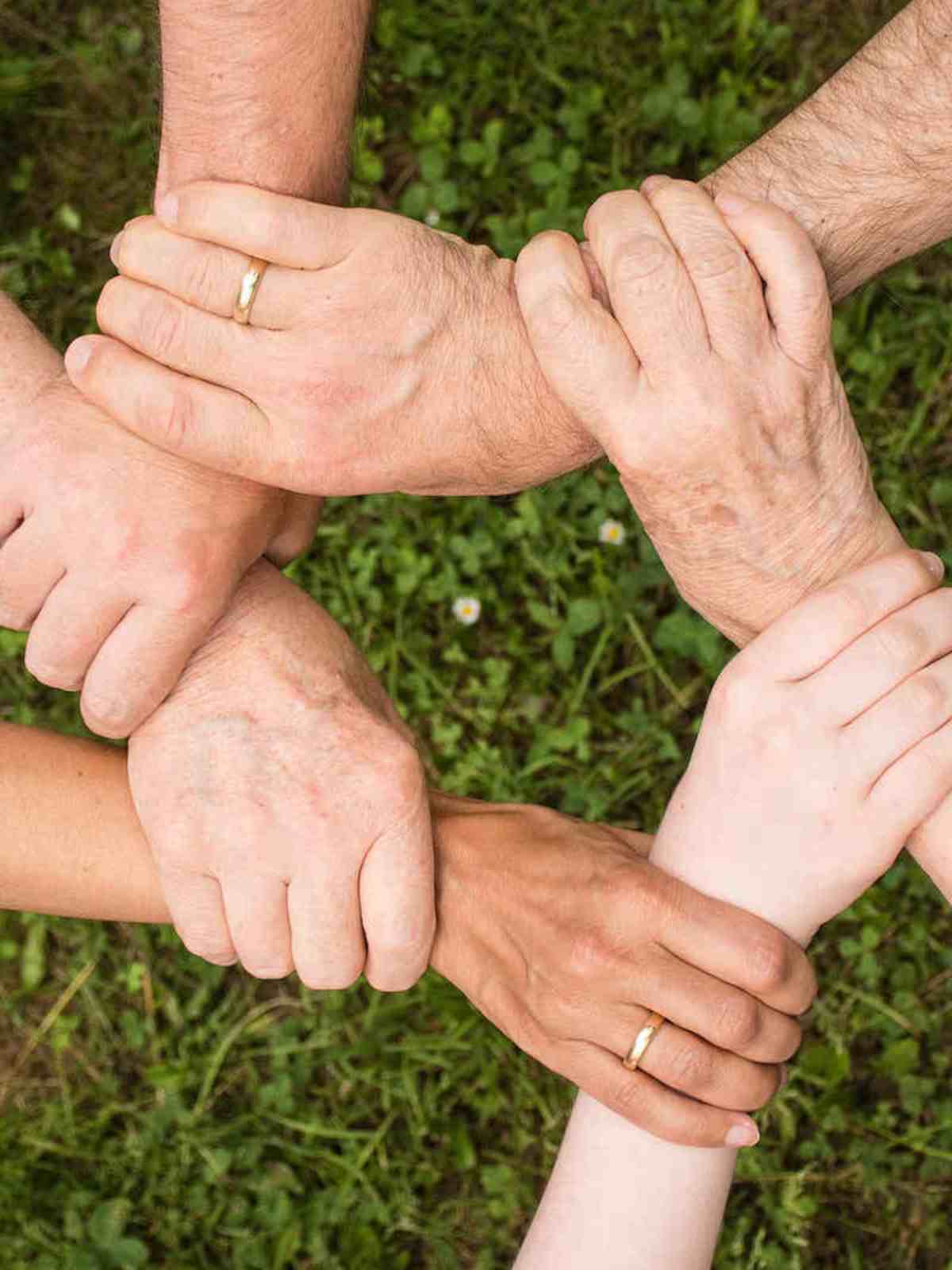
7 Steps to Practice the Blue Zone Moai for Longevity
1. Build a small moai circle of friends
A moai begins with a small group of trusted friends. In Okinawa, these circles often include five to eight people who share similar values or interests. You might invite friends who enjoy cooking healthy meals, walking in nature, gardening, reading, or practicing yoga together. What matters most is creating a close circle of friends that meets regularly and supports one another through life.
2. Create social support through regular gatherings
Members of a moai traditionally meet regularly to stay connected. These gatherings allow the members of a moai to talk, share experiences, and spend meaningful time together.
To make it work, choose a simple routine. You might meet once a week for a walk, once a month for dinner, or gather for coffee on Sunday mornings. During these meetings, take time to listen deeply, share stories, and support one another. Keeping the gatherings relaxed and consistent helps friendships grow stronger and builds a lasting social support system.
3. Share meals together like the Okinawan people
In many Okinawan moai gatherings, food plays a central role. Friends often gather to eat and drink, sometimes in homes or relaxed places like an izakaya.
You might plan a simple dinner when someone reaches a goal, bring a homemade meal to a friend who is going through a difficult time, or organize a walk or picnic to mark special occasions. Taking time to celebrate and support one another strengthens the bond between group members.
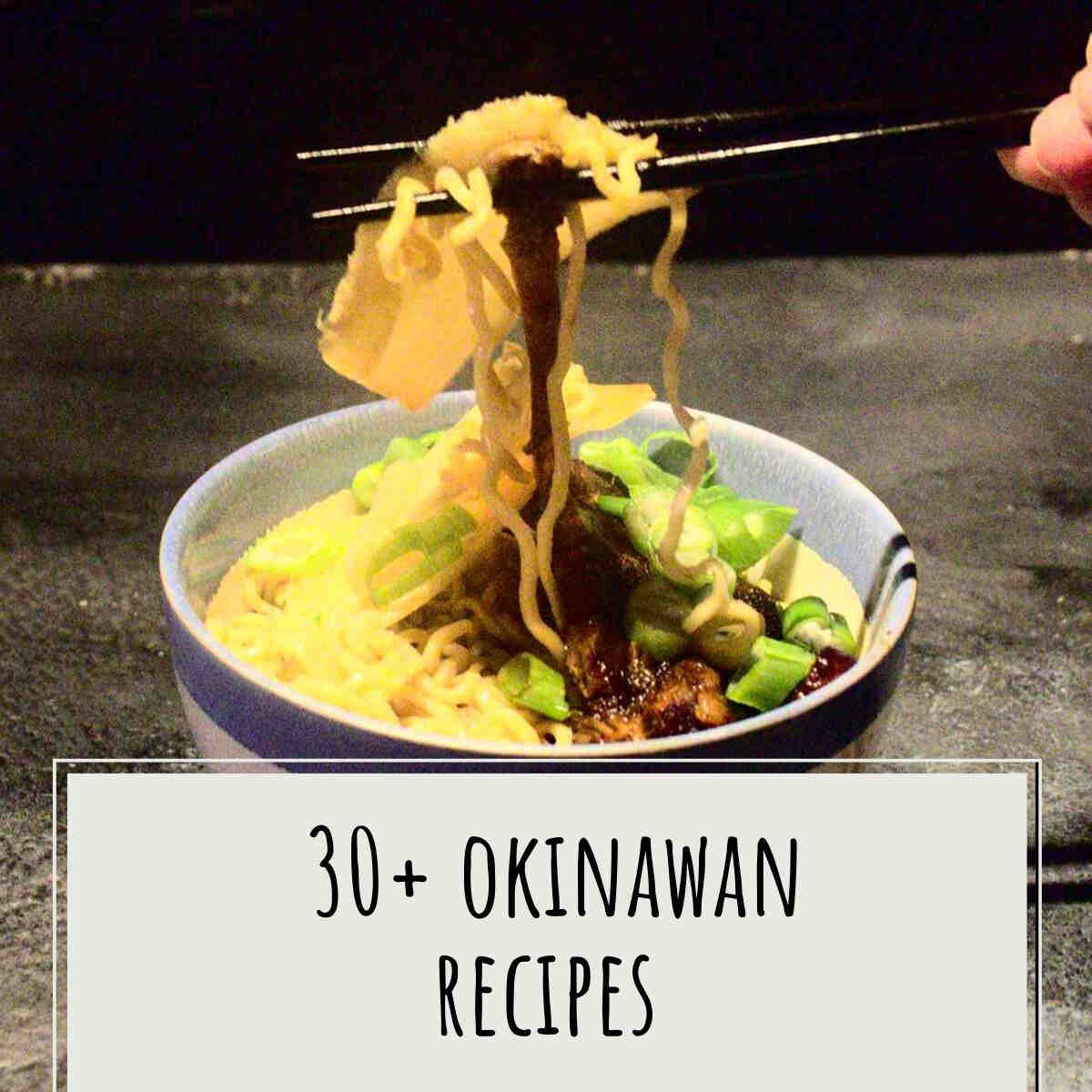
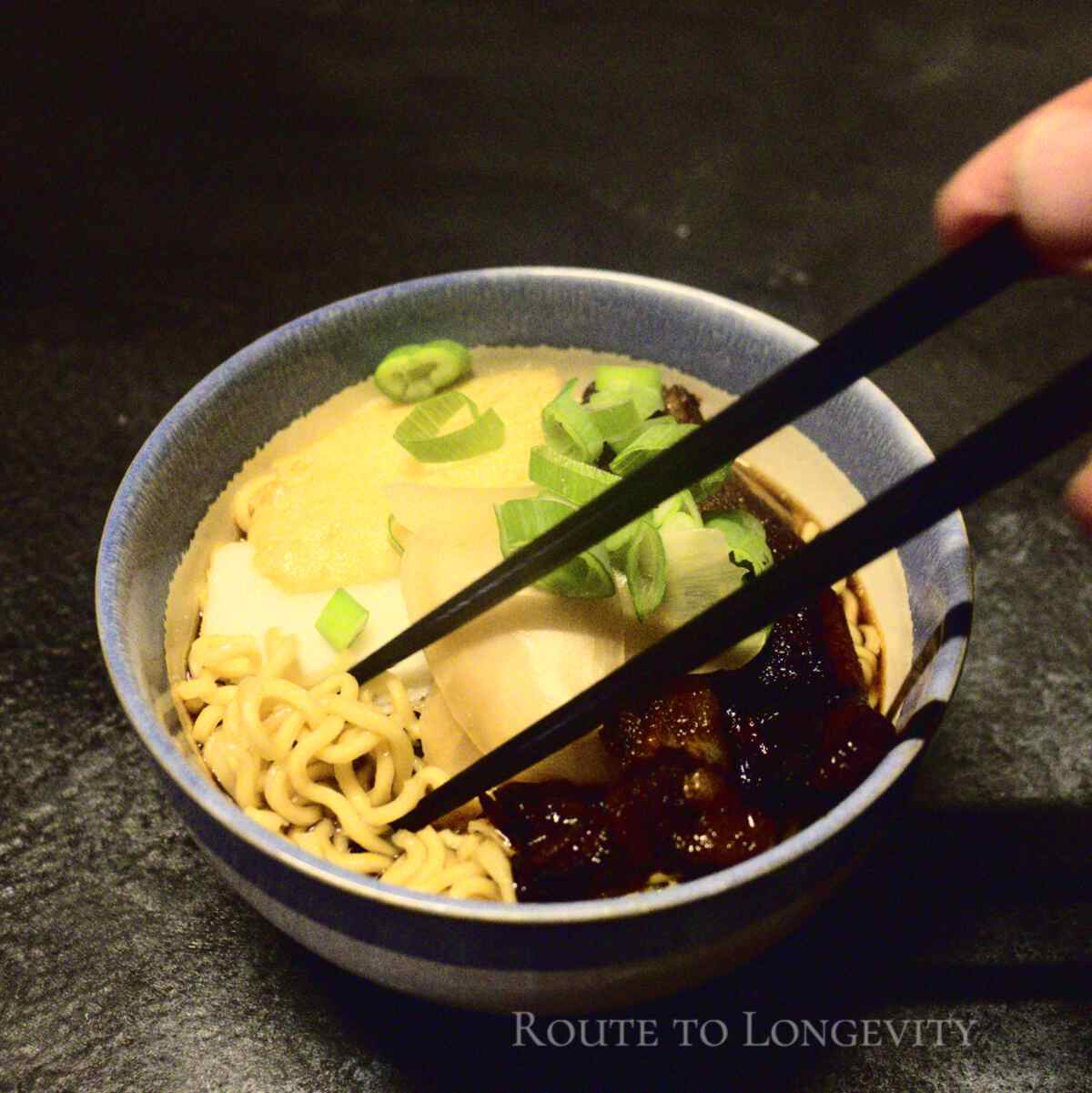
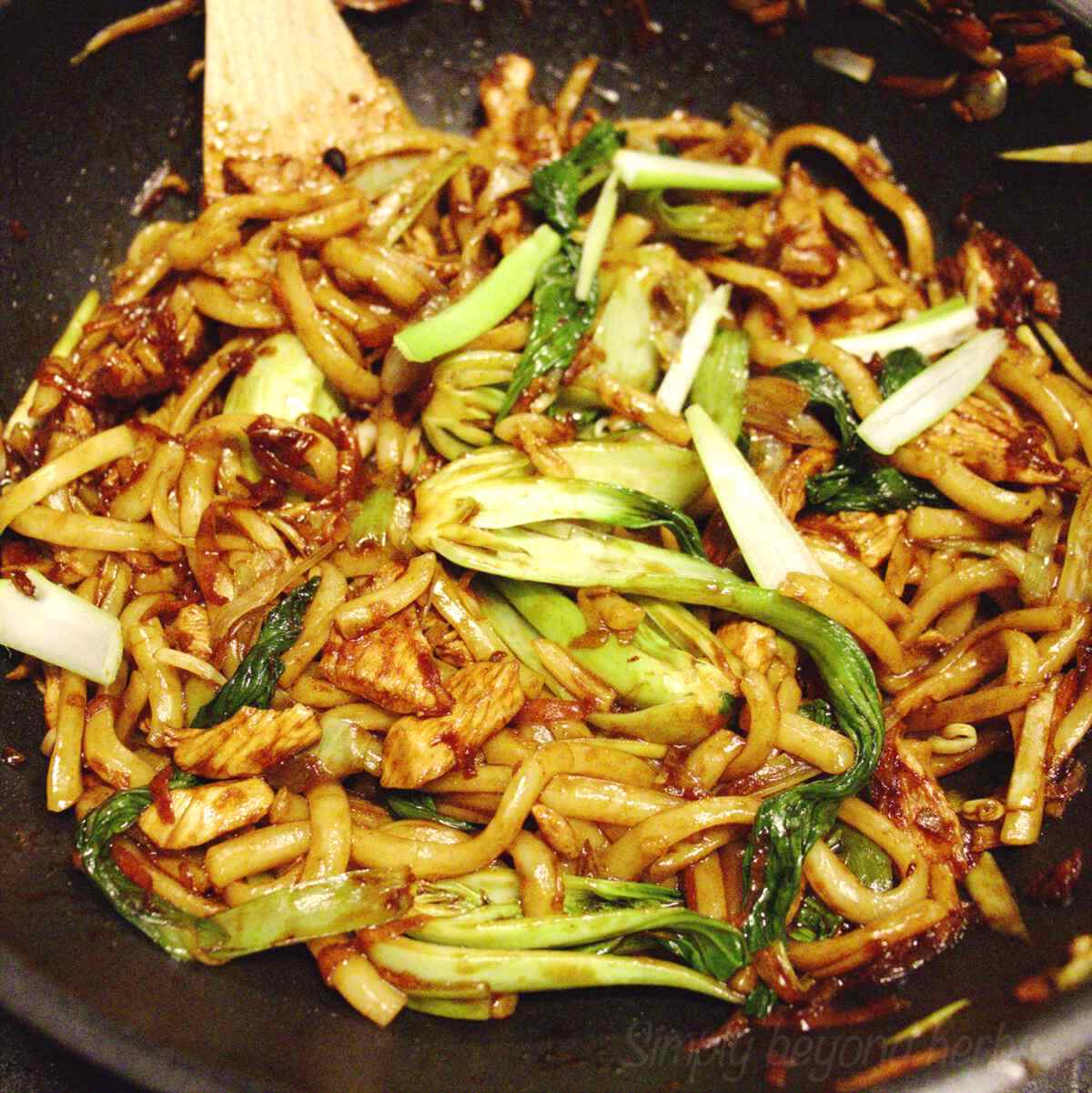
some recipes from japanese kitchen to inspire you

4. Offer mutual support within your social support group
A moai is built on mutual support.
Traditionally, members would pool money together so that one person could receive it when needed. If an individual needed capital to buy tools, start a business, or buy land or take care of family responsibilities, the group could help.
Today, support often takes the form of encouragement, advice, and emotional support.
5. Strengthen social cohesion with shared purpose
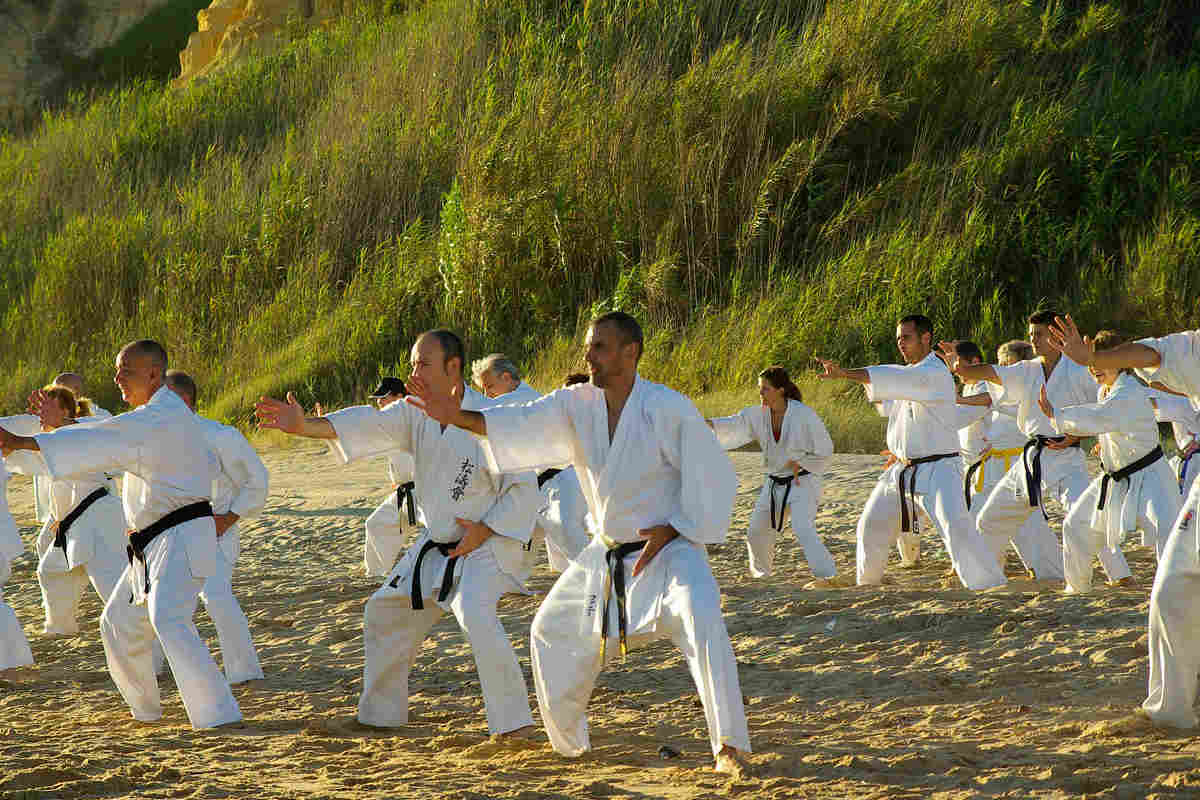
In Okinawan culture, friendship often grows from a common purpose. Members of a moai may gather around shared interests, hobbies, or spiritual interests.
This sense of belonging strengthens social cohesion and helps people remain connected throughout life.
It also complements the idea of ikigai, giving people meaning and motivation.
6. Celebrate life together for long and happier lives
One beautiful aspect of a moai is that friends share life’s moments together.
Friends celebrate milestones such as birthdays, new jobs, personal achievements, or even small everyday victories.
You might go for a walk in nature, take a day trip together, visit a local market, attend a cultural event, or simply spend an afternoon talking and laughing. Some groups enjoy gardening together, practicing yoga, volunteering, or supporting each other’s projects.
Over time, the group becomes like a second family, reinforcing the deep bonds that help Okinawans live such long and happy lives.
7. Grow older together in your moai
Perhaps the most powerful part of the moai tradition is its longevity.
Some Okinawan people remain part of the same group for decades. Friends who met early in life often stay connected well into old age.
Researchers studying the Blue Zone have highlighted moai as one of the cultural traditions that help people live longer.
Why People in Japan Live Longer: The Power of Moai
In today’s fast-moving world where people often feel disconnected, the Okinawan tradition of moai offers a powerful lesson.
Health is not only about diet or exercise.
It is also about relationships.
Strong friendships and meaningful social connections create the emotional foundation for longevity and wellbeing.
Sometimes, the simplest secret to a longer life is knowing that you are never alone.