If you’ve ever wondered what people in the Blue Zone regions actually eat for breakfast, the answer may surprise you. A typical blue zone breakfast looks very different from the modern american breakfast filled with sugary cereals, pastries, or heavily processed foods.
Across the five blue zones, where people live the longest and enjoy remarkably longer lifespans, breakfast is usually simple. These breakfasts are usually plant-based, rich in fiber, and built around nourishing foods that provide steady energy throughout the day.
From Okinawan sweet potatoes to Sardinian sourdough bread and Costa Rican beans, these blue zone breakfast recipes focus on whole ingredients, healthy fats, and balanced eating patterns that support gut health, satiety, and overall longevity.

What Do People in the Blue Zones Eat for Breakfast?
A blue zone breakfast is typically centered around minimally processed, nutrient-dense foods that fuel the body without overwhelming it. Unlike the heavy modern breakfast loaded with refined sugar and processed meats, the blue zone diet emphasizes beans, vegetables, whole grains, nuts, seeds, and fermented foods.
According to Dan Buettner, many centenarian communities practice “front-loading calories,” meaning they eat their largest meal earlier in the day rather than late at night. Breakfast becomes an important meal that helps sustain energy while staying active.
In places like Okinawa, Ikaria, Sardinia, Loma Linda, and the Nicoya Peninsula, breakfast is often savory rather than sweet and naturally rich in antioxidant compounds, complex carbohydrates, protein and healthy fats, and plenty of fiber.
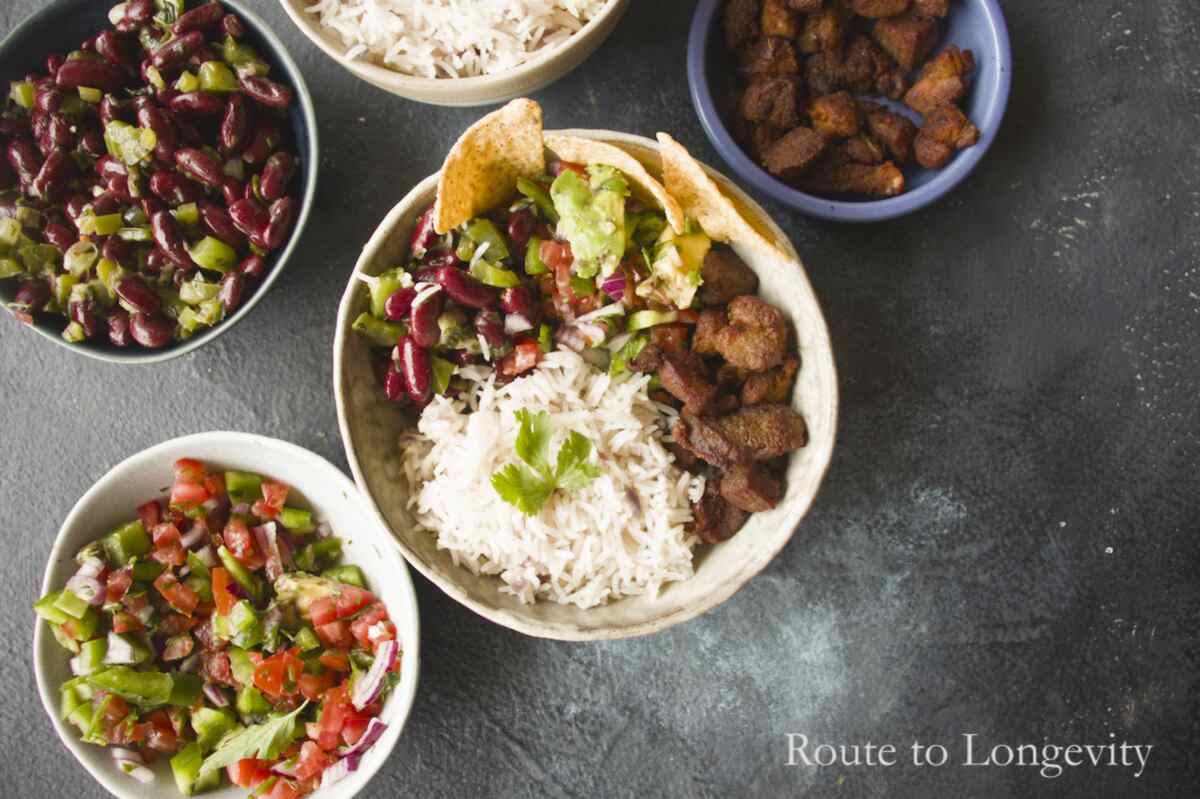
Why Blue Zone Breakfast Habits May Promote Longevity
One reason these communities may live longer is because their morning meal supports stable blood sugar, digestive health, and long-term satiety. Their breakfasts are generally plant-based, rich in whole foods, and low in processed foods.
Many traditional breakfast recipes from Blue Zones include:
- Beans and legumes
- Whole grain or whole wheat bread
- Nuts and fruit
- Fermented foods
- Sweet potato
- Fresh fruit
- Green tea
- Healthy fats like avocado, tahini, and olive oil
These foods provide omega 3 fatty acids, b vitamins, minerals, and slow-digesting carbohydrates that help support energy and overall wellness.
Blue Zone Breakfast Recipes by Region
Okinawan Breakfast Ideas
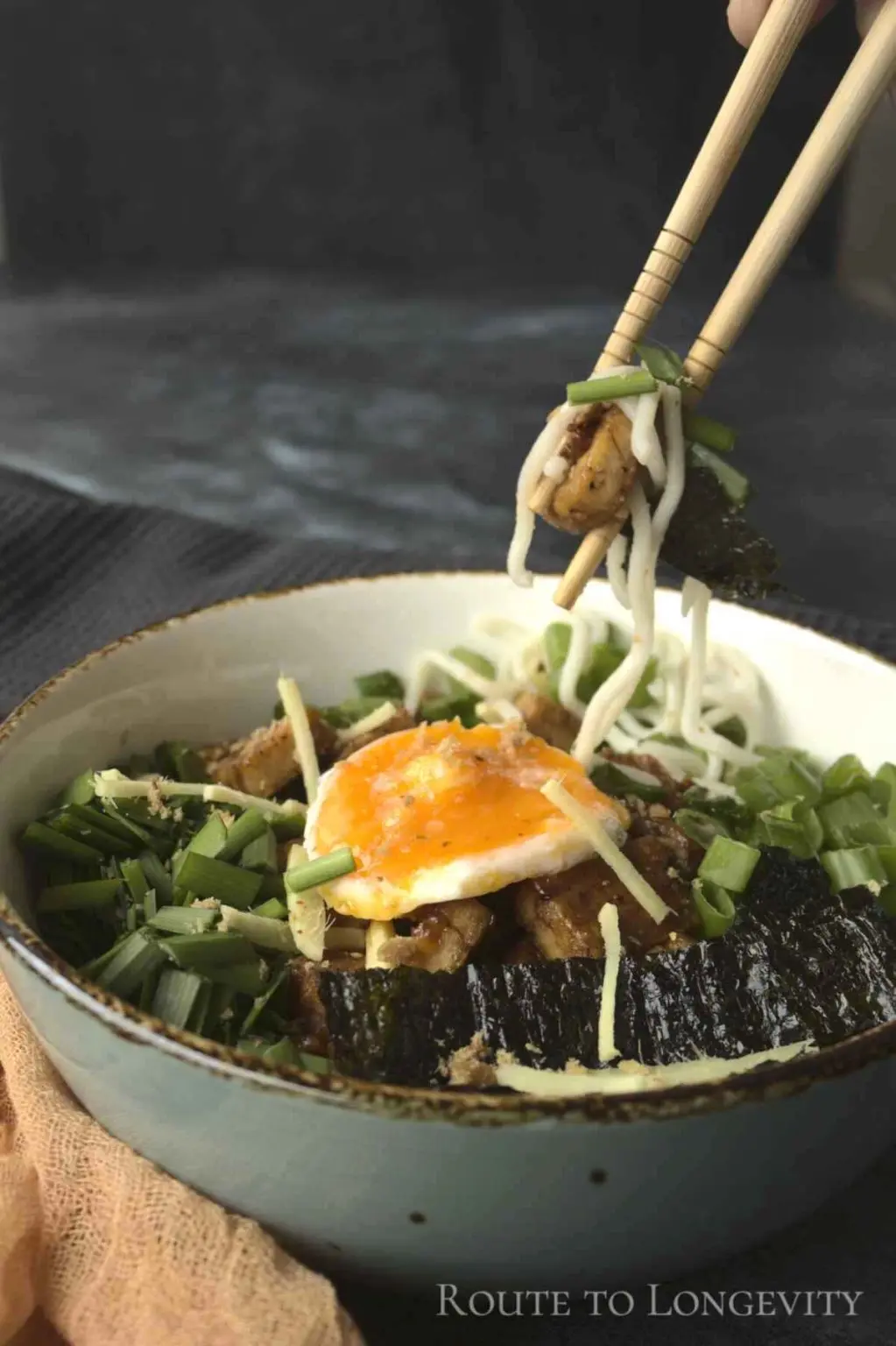
In Okinawa, people often eat savory breakfasts built around simple, nourishing ingredients. Many families start their day with miso soup, tofu, sweet potato, and dishes like Ninjin Shirishiri, a lightly stir-fried carrot and egg dish packed with flavor and nutrients.
Sweet Potato With Turmeric in Okinawa
One of the best blue zone breakfast ideas comes from the Okinawan tradition of eating purple sweet potato in the morning. Okinawan sweet potatoes are naturally rich in beta-carotene, antioxidant compounds, and complex carbohydrates.
Roasted sweet potato with turmeric creates a deeply nourishing breakfast staple that keeps you full for hours. Many Okinawan families pair it with green tea or tofu for additional protein and healthy fats.
Miso Soup With Tofu and Green Onion
In Okinawa, people often enjoy miso soup for breakfast, not just lunch or dinner. A warm bowl of miso soup with tofu, green onion, and vegetables creates a comforting morning meal that supports gut health thanks to its fermented ingredients.
Some families also serve simple noodle dishes like mazesoba or light soups in the morning. These savory breakfasts help avoid the sugar spikes common in many modern breakfast foods while providing lasting satiety.

Ikarian Breakfast Habits
In Ikaria, people often start their day slowly with simple, wholesome foods that reflect the island’s relaxed lifestyle and strong connection to the Mediterranean diet. Many Ikarians enjoy herbal tea, whole grain bread drizzled with olive oil, fresh fruit, and small portions of milk yogurt with nuts and fruit.
Ikarian Herbal Tea and Whole Grain Bread
Many Ikarians begin their morning with Greek Mountain tea, sage tea, or rosemary tea, all deeply rooted in the island’s daily routine and traditional wellness practices.
They often pair herbal tea with traditional breads like Paximadi or rustic sourdough bread dipped in olive oil. Olives, wild greens, and tomato-based dishes like Dakos also commonly appear on the breakfast table. These simple breakfasts provide lasting satiety while supporting gut health and steady energy throughout the day.
In Ikaria, breakfast is rarely rushed. People eat slowly, gather socially, and treat meals as part of a balanced lifestyle centered around longevity, movement, and social connections.

Sardinian Breakfast Traditions
In Sardinia, people often start their day with simple local foods like rustic sourdough bread, Pane Carasau, sheep milk yogurt, fresh goat cheese, or pecorino cheese. Sardinian breakfasts grew from the island’s shepherd culture, where families relied on wholesome ingredients they could produce close to home.
Many Sardinians drizzle bread with olive oil and enjoy it with fresh fruit, nuts, or a little honey alongside herbal tea or strong coffee. These simple morning meals provide lasting energy without relying on heavily processed breakfast foods.
Another popular variation is pane guttiau, where people brush pane carasau with olive oil, sprinkle it with salt, and bake it again until crisp and golden.
Others prepare pane frattau by softening pane carasau in warm tomato sauce and layering it with a poached egg and grated pecorino cheese. Rustic dishes like these create filling, nourishing breakfasts that support satiety and steady energy throughout the morning.
Sardinian Minestrone Breakfast Soup
While unusual in many countries, savory soups for breakfast are common in longevity cultures. In Sardinia, a simple minestrone with beans, vegetables, herbs, and whole foods creates a filling and deeply nourishing start to the day.
This kind of breakfast may feel unfamiliar at first, but many dietitian experts note that savory breakfasts often improve satiety and provide steadier energy than sugary breakfast foods.
Nicoya Peninsula Breakfast Traditions
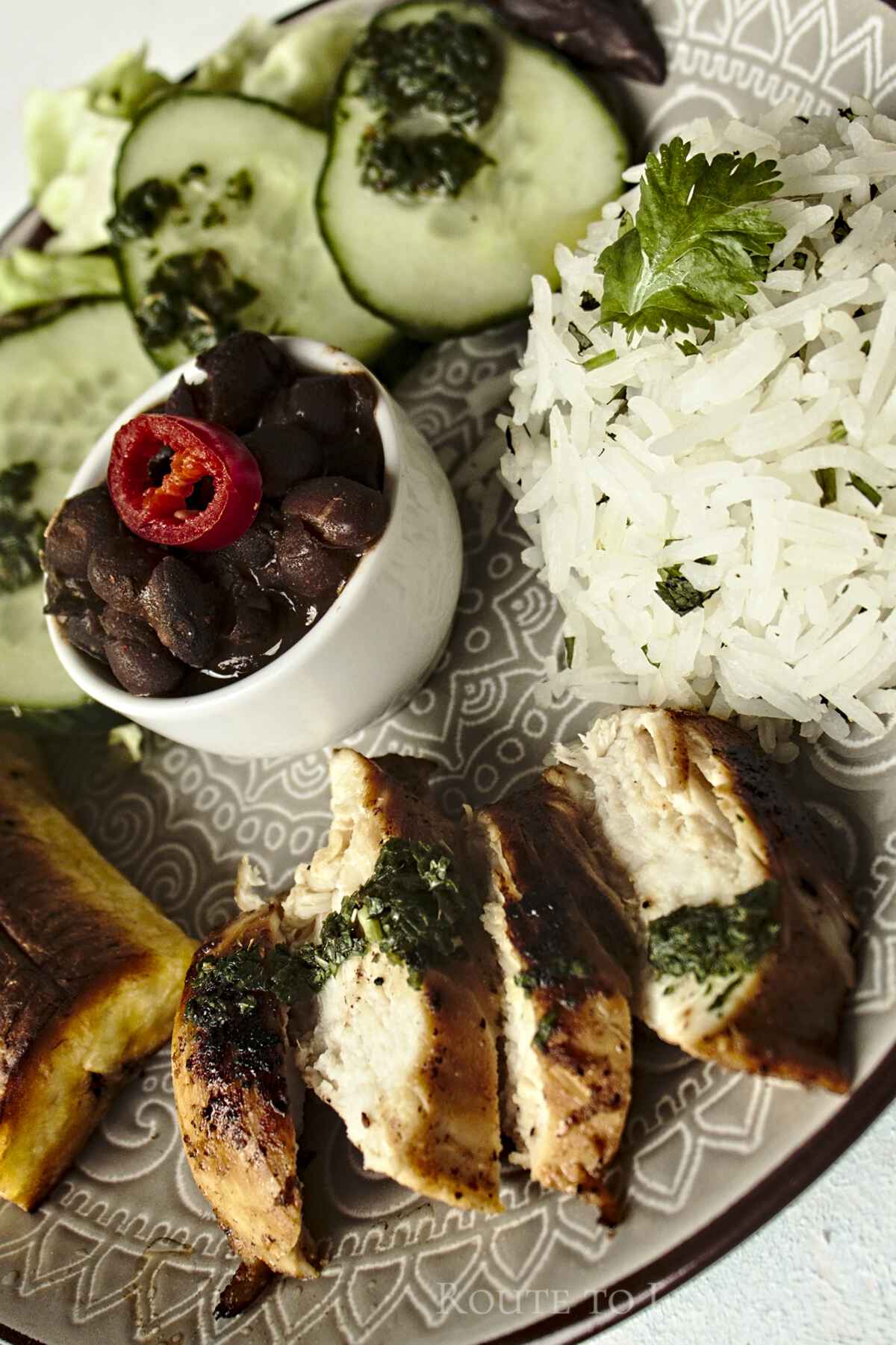
In Costa Rica’s Nicoya Peninsula, people often start their day with simple, filling meals built around rice, beans, corn tortillas, and fresh local ingredients. Breakfast plays an important role in daily life and provides steady energy for physically active lifestyles.
Gallo Pinto With Eggs and Tortillas
One of the most iconic Costa Rican breakfast dishes is Gallo Pinto, a flavorful mix of rice and black beans cooked with onion, cilantro, and red bell pepper. Costa Ricans often serve it with eggs, sour cream, corn tortillas, and Salsa Lizano, which gives the dish its distinctive sweet and tangy flavor.
Rich in fiber and plant-based protein, gallo pinto creates a simple but deeply nourishing breakfast that provides steady energy throughout the morning.
The same wholesome ingredients appear again and again throughout Costa Rican cuisine. Traditional dishes like Casado and Chifrijo also center around rice, beans, fresh vegetables, avocado, and homemade foods that reflect the country’s relaxed and grounded approach to eating.

Chorreadas and Traditional Morning Foods
Many families also enjoy Chorreadas, soft corn pancakes made with fresh corn and served warm with natilla. Others pair tortillas con natilla, fresh fruit, coffee, or small cheese-filled empanadas for a simple but comforting morning meal.
Loma Linda Breakfast Recipes
In Loma Linda, many Seventh-day Adventists start their day with simple plant-based breakfasts built around whole grains, nuts, seeds, and fresh fruit. These morning meals reflect the community’s long-standing focus on moderation, nourishing foods, and healthy daily routines.
Blue Zone Oat Bowl With Nuts and Fruit
A warm oat breakfast bowl topped with nuts and fruit reflects many of the same principles found across Blue Zone communities. Oats provide fiber and slow-release energy, while nuts and seeds add healthy fats and plant-based protein.
Many people customize their oat bowls with chia, tahini, berries, cinnamon, or even sweet potato with turmeric for additional nutrients and flavor.